
Why are Sleep Studies Important for Diagnosing Sleep Disorders?
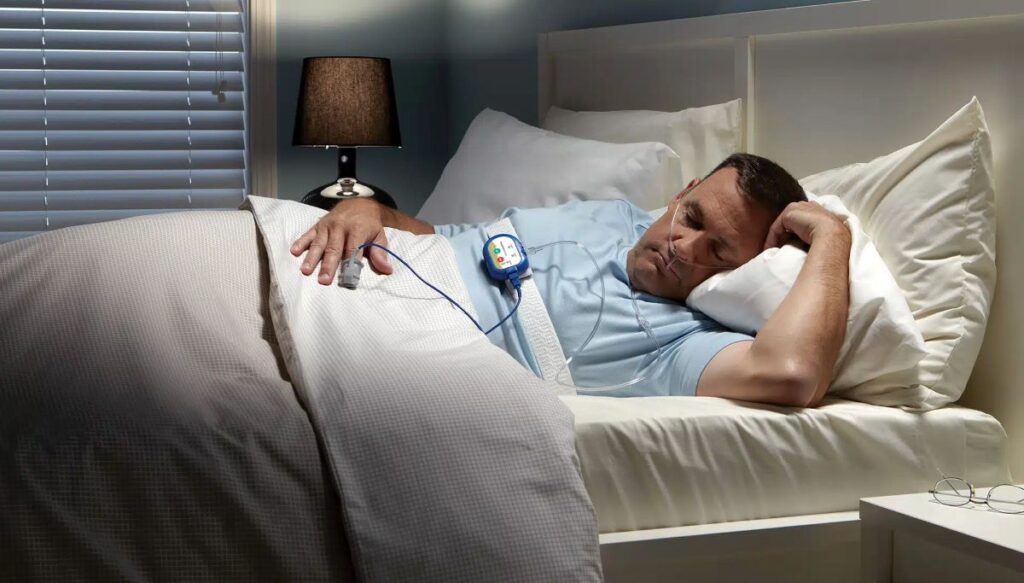
Sleep studies are crucial for diagnosing sleep disorders that affect millions of Australians. These tests provide the most accurate way to identify conditions such as obstructive sleep apnea, insomnia, and restless leg syndrome.
During a sleep study, various factors are measured while a person sleeps:
- Brain activity
- Breathing patterns
- Oxygen levels
- Body movements
By analyzing this data, healthcare professionals can determine the specific sleep disorder and recommend appropriate treatment options.
The Impact of Cost on Accessing Sleep Disorder Care
When considering a Brisbane Sleep Study Cost, it’s important to note that prices can vary significantly between clinics, which can impact how easily patients access necessary care.
Some facilities offer bulk-billed sleep studies, meaning eligible patients incur no out-of-pocket expenses. Other clinics may charge hundreds or even thousands of dollars, depending on the type of test required, the level of monitoring, and the clinic’s location.
Understanding the Brisbane Sleep Study Cost landscape helps patients make informed decisions about diagnosing sleep disorders, ensuring they can balance quality care with affordability.
Factors Influencing Sleep Study Costs in Brisbane
Several factors contribute to the variability in pricing for sleep disorder testing in Brisbane:
- Type of Testing: Costs may vary depending on whether you opt for home-based monitoring or in-lab overnight studies.
- Medicare Eligibility: Your eligibility for Medicare benefits can impact the overall cost of the sleep study.
- Clinic Billing Practices: Different clinics have different billing practices, which can also affect the final price you pay.
By being aware of these factors, patients can better understand why costs may differ between various sleep study providers.
Empowering Patients through Knowledge
Understanding the financial aspects of sleep disorder testing empowers patients to make informed decisions about their healthcare. It allows them to compare prices and services offered by different clinics and choose an option that best suits their medical needs and budget.
This knowledge becomes especially valuable for individuals without private health insurance or those who don’t qualify for bulk billing through Medicare.
The Importance of Considering Other Factors
While price is an important consideration when selecting a sleep study provider, it shouldn’t be the only factor you take into account. Other aspects such as:
- Quality of Equipment: The type and quality of equipment used during the sleep study can impact the accuracy of results.
- Expertise of Interpreting Physicians: The qualifications and experience of the doctors who interpret the test results play a crucial role in diagnosis.
- Turnaround Time for Results: How quickly you receive your test results can affect your treatment timeline.
- Convenience of Location: The proximity of the clinic to your home or workplace may also influence your decision-making process.
These factors are equally important in ensuring a positive diagnostic experience.
Asking the Right Questions
Recognizing the differences in service models across Brisbane’s sleep medicine landscape helps patients ask relevant questions when their doctor recommends a sleep disorder test. Here are some examples:
- What type of testing do you recommend – home-based or in-lab?
- How much will this test cost? Will I be able to claim any reimbursement from Medicare?
- What kind of equipment will be used during the study? Is it up-to-date and compliant with industry standards?
- Who will interpret my test results? What qualifications do they have?
- When can I expect to receive my results? Will there be any delays?
By seeking answers to these questions, patients can gain clarity about their diagnostic options and make more informed choices regarding their sleep disorder management.
What Factors Influence Sleep Study Costs in Brisbane Clinics?
Three primary factors determine what you’ll pay for a sleep study in Brisbane: the testing method, clinic billing practices, and your eligibility status. Home sleep studies typically cost less than in-lab polysomnography because they require fewer resources and no overnight facility use.
1. Type of Sleep Study
Home-based testing for obstructive sleep apnea uses portable monitoring devices that track breathing patterns, oxygen levels, and heart rate. These studies eliminate facility costs and overnight supervision expenses. In-lab studies involve comprehensive monitoring with hospital-grade equipment, dedicated sleep rooms, and real-time observation by trained technicians throughout the night, which significantly increases the price.
2. Clinic Billing Practices
Medicare bulk billing Brisbane clinics absorb the full cost of eligible sleep studies, leaving patients with zero out-of-pocket expenses. Non-bulk-billing clinics may charge gap fees ranging from several hundred to over a thousand dollars depending on the study complexity. Some facilities operate on a mixed model, offering bulk billing to qualifying patients while charging others standard rates.
3. Patient Eligibility Criteria
Your medical profile directly impacts sleep study cost factors. Bulk billing eligibility requires:
- A valid referral from a GP or specialist
- Meeting specific screening score thresholds (such as Epworth Sleepiness Scale results)
- Presenting with recognized symptoms like witnessed breathing pauses or severe daytime fatigue
- Having Medicare coverage
Patients without proper referrals or those seeking studies for non-medical reasons (like curiosity about sleep quality) typically face full private fees. Private health insurance holders may receive partial rebates depending on their coverage level and waiting periods, though gap payments often still apply.
How Do Bulk-Billed Sleep Studies Work in Brisbane?
Bulk-billed sleep studies allow eligible patients to undergo testing without any out-of-pocket expenses, with Medicare covering the full cost of the service. The system works when clinics directly bill Medicare for the consultation and diagnostic services, eliminating upfront payments from patients who meet specific eligibility requirements.
Who Qualifies for Medicare Bulk Billing?
Eligible patients sleep tests through bulk billing require two primary components: a valid medical referral and meeting clinical criteria. Patients must obtain a referral from either their general practitioner or a specialist physician who suspects a sleep disorder based on presenting symptoms. Many clinics also use standardized screening tools, such as the Epworth Sleepiness Scale or STOP-BANG questionnaire, with patients needing to achieve certain threshold scores to demonstrate medical necessity for the study.
The screening scores help determine the likelihood of conditions like obstructive sleep apnea, ensuring that bulk billed sleep studies are directed toward patients with genuine clinical need rather than general curiosity about sleep patterns. Some clinics require a minimum score on these assessments before accepting bulk-billing arrangements, while others evaluate referrals on a case-by-case basis considering the full clinical picture.
Which Brisbane Clinics Provide Bulk-Billed Services?
Multiple Brisbane sleep clinics offer Medicare bulk billing options for home-based sleep studies. These facilities have established agreements with Medicare to provide diagnostic services at no cost to qualifying patients, making sleep disorder diagnosis more accessible across different socioeconomic groups. The availability of bulk-billed services varies by location, with some clinics offering this option across all their branches while others may limit it to specific sites.
Home sleep study services represent the most common format for bulk-billed testing. Patients receive portable monitoring equipment that records breathing patterns, oxygen levels, heart rate, and body position throughout the night. The setup process typically occurs at an after-hours clinic appointment or through a home visit, depending on the clinic’s service model.
What Are the Financial Benefits?
Zero out-of-pocket costs represent the primary advantage for patients accessing bulk-billed sleep testing. This financial accessibility removes a significant barrier for individuals who might otherwise delay or avoid diagnosis due to cost concerns. The elimination of upfront
What Are the Cost Differences Between Home Sleep Studies and In-Lab Overnight Tests?
Home sleep study cost typically ranges from bulk-billed (no charge) to several hundred dollars, while in-lab overnight sleep study price can exceed $1,000 depending on the clinic and equipment used. The price gap reflects differences in monitoring complexity, staff involvement, and facility requirements.
What Makes Home Sleep Studies More Affordable?
Home-based sleep studies use portable monitoring devices that track essential metrics like breathing patterns, oxygen levels, heart rate, and body position. These studies effectively diagnose obstructive sleep apnea and other common sleep disorders without requiring overnight hospital stays or continuous supervision by sleep technicians.
The setup process involves either:
- Collecting equipment from an after-hours clinic
- Having a technician deliver and set up the device at your home (may include a call-out fee of $50-$150)
- Following detailed instructions to apply sensors yourself before sleep
Patients complete the test in their own beds, which often produces more natural sleep patterns than unfamiliar clinical environments. The device automatically records data throughout the night, then gets returned to the clinic for analysis.
What Limitations Should You Consider with Home Testing?
Home sleep studies cannot capture the full range of diagnostic information available through laboratory testing. The portable devices monitor fewer physiological parameters and may miss certain sleep disorders like:
- Periodic limb movement disorder
- Central sleep apnea variants
- Complex neurological sleep conditions
- REM sleep behavior disorder
Technical issues occasionally occur when patients accidentally dislodge sensors during sleep, potentially requiring a repeat test. The absence of real-time monitoring means technicians cannot adjust equipment or troubleshoot problems as they arise.
Why Do In-Lab Studies Command Higher Prices?
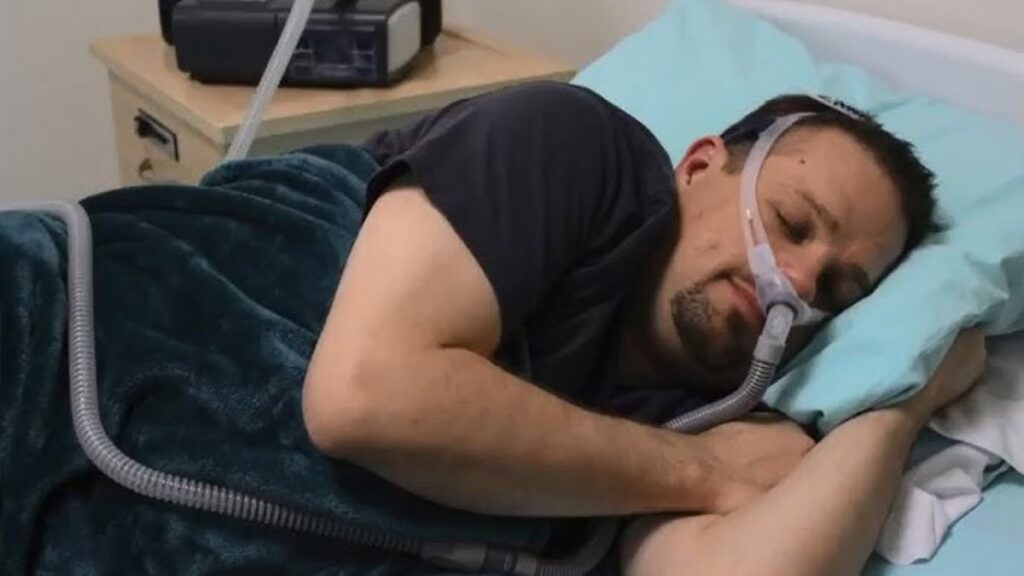
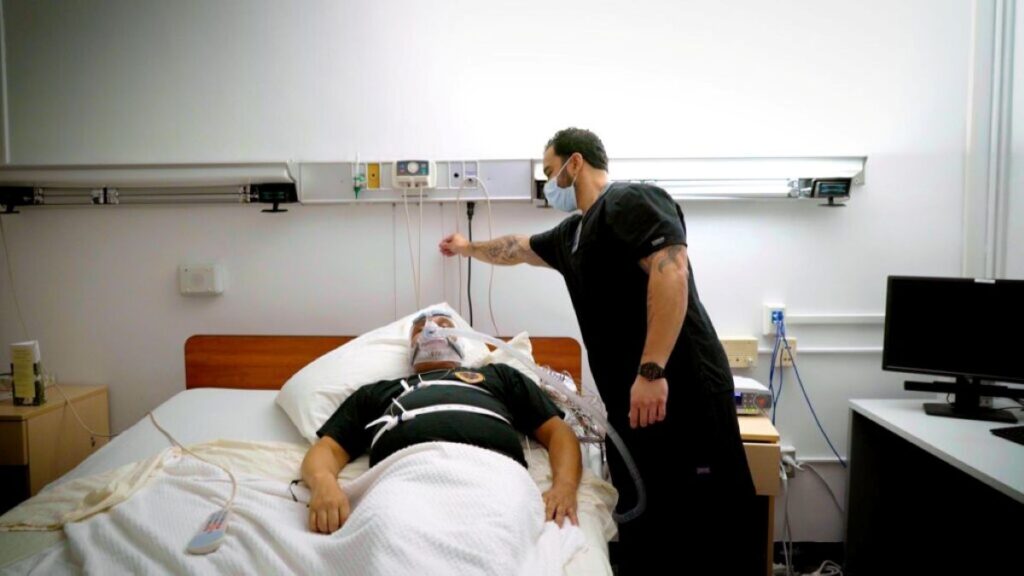
In-lab overnight studies utilize hospital-grade diagnostic tools required for sleep studies, including polysomnography equipment that simultaneously monitors brain waves, eye movements, muscle activity, heart rhythm, breathing effort, airflow, and blood oxygen saturation. This comprehensive approach records 20+ physiological channels throughout the night.
Experienced sleep scientists remain on-site during testing to:
- Apply and calibrate multiple sensors and electrodes
- Monitor data quality in real-time
- Adjust equipment settings as needed
- Document behavioral observations
- Ensure patient safety and comfort
Which Clinics in Brisbane Offer Bulk-Billed Sleep Studies and Where Are They Located?
Multiple Brisbane bulk billed clinics provide sleep study services across the metropolitan area for patients who meet Medicare eligibility criteria. These facilities are strategically positioned throughout the city to serve diverse communities and reduce travel barriers for those requiring diagnostic testing.
Clayfield sleep clinic services operate in the inner-northern suburbs, offering convenient access for residents in surrounding areas including Ascot, Hendra, Nundah, and Eagle Farm. This location serves as a central hub for patients seeking bulk-billed home sleep studies without the need to travel to hospital facilities or distant testing centers.
North Lakes sleep study locations cater to the rapidly growing northern corridor of Brisbane, providing essential diagnostic services to residents in Mango Hill, Griffin, Kallangur, and neighboring suburbs. The expansion of sleep study facilities in this region reflects the increasing demand for accessible healthcare services in outer metropolitan areas.
Geographic Distribution of Sleep Study Services
Brisbane’s sleep study network includes clinics positioned across:
- Inner-city and inner-suburban locations for easy public transport access
- Northern corridor facilities serving growth areas beyond the traditional city center
- Southside and western suburb options (availability varies by provider)
- After-hours clinic partnerships allowing flexible appointment times for working patients
The strategic placement of these facilities means most Brisbane residents can access a bulk-billing sleep study clinic within a 20-30 minute drive from their home. This geographic accessibility becomes particularly important for patients who may need to attend multiple appointments for device fitting, result consultations, or follow-up assessments.
Accessing Multiple Clinic Locations
Several sleep study providers operate networks with multiple Brisbane sites, allowing patients to choose the location most convenient for their circumstances. This multi-site approach benefits patients who work irregular hours or those with mobility limitations who prefer the closest available facility.
Patients can typically select their preferred testing location when booking their appointment, provided they have obtained the necessary GP or specialist referral. The ability to choose between locations like a Clayfield sleep clinic or North Lakes sleep study locations ensures that geographic barriers don’t prevent patients from accessing essential diagnostic services covered under Medicare bulk billing arrangements.
What Symptoms Typically Lead to a Referral for a Sleep Study?
Doctors recommend sleep studies when patients present with persistent tiredness despite adequate sleep duration, poor quality sleep that leaves them unrefreshed, loud snoring that disrupts household members, or witnessed breathing pauses during sleep. These symptoms prompting sleep study referrals indicate potential obstructive sleep apnea or other serious sleep disorders requiring medical evaluation.
Primary indicators for sleep study referrals include:
- Chronic daytime fatigue that interferes with work, driving, or daily activities
- Loud, disruptive snoring reported by bed partners or family members
- Observed breathing pauses where someone notices you stop breathing during sleep
- Restless, fragmented sleep with frequent awakenings throughout the night
Loud snoring diagnosis becomes particularly important when combined with other symptoms. Not all snorers have sleep apnea, but habitual loud snoring accompanied by gasping or choking sounds warrants investigation. The vibration and airway obstruction causing the noise often signals partial or complete breathing interruptions.
Additional warning signs that strengthen referral decisions:
- Morning headaches that occur regularly upon waking and gradually improve during the day
- Difficulty concentrating or memory problems affecting work performance
- Waking up gasping, choking, or with a dry mouth
- Teeth grinding (bruxism) during sleep
- Irritability or mood changes linked to poor sleep quality
Morning headaches and sleep apnea share a direct connection. Repeated breathing pauses cause oxygen levels to drop and carbon dioxide to build up in the bloodstream. This imbalance triggers blood vessel dilation in the brain, resulting in dull, throbbing headaches that typically resolve within a few hours of waking.
GPs and sleep specialists use screening questionnaires like the Epworth Sleepiness Scale or STOP-BANG assessment to quantify symptom severity. Patients scoring above certain thresholds on these tools typically qualify for bulk-billed sleep studies through Medicare, making the diagnostic process more accessible for those experiencing multiple symptoms.
How Do Private Health Insurance and Medicare Affect Sleep Study Costs?
1. How Medicare Benefits Sleep Studies
Medicare benefits sleep studies by covering the full cost of bulk-billed tests for eligible patients who meet specific medical criteria and hold a valid referral from a GP or specialist. Patients who qualify for Medicare coverage face zero out-of-pocket expenses, making sleep diagnostics accessible regardless of financial circumstances.
2. The Role of Private Health Insurance Coverage
Private health insurance coverage reduces the financial burden through hospital or extras cover, depending on the policy level and the type of sleep study performed. Patients with appropriate hospital cover may receive partial or full rebates for in-lab overnight studies, which typically involve higher costs due to specialized equipment and overnight monitoring by sleep technicians. The rebate amount varies based on the insurer’s agreement with the clinic and the patient’s specific policy tier.
When Do Patients Face Out-of-Pocket Expenses?
Out-of-pocket expenses occur when patients don’t meet bulk billing eligibility requirements or choose clinics that don’t participate in Medicare bulk billing arrangements. Comparing the Brisbane Sleep Study Cost Across Clinics reveals significant price variations for non-bulk-billed services:
- Patients without qualifying referrals or screening scores may pay several hundred dollars for home sleep studies
- In-lab polysomnography tests can cost $1,000 to $2,500 or more for self-funded patients
- Call-out fees for home-based equipment setup may apply even when the study itself is bulk-billed
How Insurance Type Determines Your Final Cost
The combination of Medicare eligibility and private health insurance coverage creates different cost scenarios. Patients with both Medicare eligibility and private hospital cover often experience the lowest costs, while those with neither may face the full private fee. Some clinics offer payment plans or reduced rates for patients experiencing financial hardship, though availability varies by provider.
Patients should verify their insurance status and bulk billing eligibility before booking appointments, as this directly impacts whether they’ll pay nothing, receive partial rebates, or cover the full cost of their sleep study.
Are There Sleep Study Services Specifically Designed for Pre-Employment Screening?
Yes, several Brisbane clinics provide specialized pre-employment sleep screening services tailored for industries with strict safety requirements. These targeted assessments evaluate whether prospective employees have undiagnosed sleep disorders that could compromise workplace safety, particularly in high-risk occupations.
Mining Industry Health Checks
Mining industry health checks routinely include sleep studies as part of comprehensive medical evaluations. Mining companies require these screenings because untreated sleep apnea and other disorders significantly increase the risk of accidents when operating heavy machinery underground or in open-pit environments. Workers who experience excessive daytime sleepiness or attention lapses pose dangers not only to themselves but to entire teams working in confined or hazardous spaces.
FIFO Worker Medicals Brisbane Clinics
FIFO worker medicals Brisbane clinics specifically address the unique challenges faced by fly-in, fly-out employees. These workers often experience disrupted circadian rhythms due to irregular shift patterns, long work rotations, and frequent travel across time zones. Sleep studies for FIFO positions assess baseline sleep health before employment begins and help identify individuals who may struggle with the demanding schedules these roles require.
Industries Requiring Pre-Employment Sleep Assessments
Industries requiring pre-employment sleep assessments include:
- Mining operations (underground and surface)
- Heavy vehicle driving (trucks, buses, commercial transport)
- Aviation (pilots, air traffic controllers, ground crew)
- Rail operations (train drivers, signal operators)
- Emergency services (paramedics, firefighters working extended shifts)
The screening process typically involves home-based testing devices that monitor breathing patterns, oxygen levels, heart rate, and sleep position throughout the night. Employers often mandate these tests before finalizing job offers, making them a standard component of occupational health assessments rather than optional medical evaluations.
Workplace Safety Compliance Regulations in Queensland
Workplace safety compliance regulations in Queensland increasingly recognize untreated sleep disorders as legitimate occupational hazards. Companies that fail to screen employees adequately may face liability issues if fatigue-related incidents occur. Sleep study results help employers make informed decisions about job placement, shift assignments, and whether candidates require treatment before starting safety-critical roles.
Some Brisbane clinics streamline the pre-employment process by offering expedited reporting timelines, understanding that job offers often depend on quick medical clearance. Click here to get more about bulk-bill sleep study Hobart.
How Can Patients Choose the Best Clinic Based on Cost and Service Needs?
Start by consulting your referring doctor about which type of sleep study matches your symptoms and medical history. Your GP or specialist will recommend either a home-based test or in-lab overnight study based on the complexity of your suspected sleep disorder.
Comparing the Brisbane Sleep Study Cost Across Clinics requires evaluating multiple factors beyond price alone. Check whether you qualify for bulk billing through Medicare, which eliminates out-of-pocket expenses at participating clinics. Patients who meet eligibility criteria—typically involving a valid referral and specific screening scores—can access these no-cost options.
Key Factors When Choosing Brisbane Sleep Clinic
Location and accessibility matter significantly when comparing clinic costs Brisbane. Consider:
- Travel time to the clinic, especially for in-lab overnight studies requiring evening arrival
- Availability of parking or public transport access
- Multiple location options if you need flexibility in scheduling
Service offerings vary between providers. Some clinics specialize in home sleep studies with after-hours setup appointments, while others focus on comprehensive in-lab diagnostics with hospital-grade equipment. Match the clinic’s strengths to your specific testing needs.
Billing transparency helps you understand true costs upfront. Contact clinics directly to ask:
- Whether they bulk bill for your circumstances
- Any additional fees like home visit call-out charges
- Private health insurance gap payments if applicable
- Payment plans for out-of-pocket expenses
Finding Best Value Sleep Study Options
The best value sleep study isn’t always the cheapest option. Quality factors include the experience level of sleep scientists interpreting your results, turnaround time for reports, and how well the clinic coordinates with your referring doctor for treatment planning.
Request information from at least three clinics about their pricing structure, wait times, and what’s included in their service. Some clinics provide comprehensive follow-up consultations with respiratory physicians, while others simply deliver results to your GP.
Patients with private health insurance should verify their coverage level before booking, as some policies reduce or eliminate costs for in-lab studies, leading to potential out-of-pocket expenses. Medicare covers bulk-billed home studies for eligible patients, making this often the most economical choice for straightforward obstructive sleep apnea assessments.
Geographic convenience becomes especially important for home